Your Cells Are Aging in Real Time. Here’s What’s Actually Happening.
There’s a small Minnesota town called Albert Lea — population 18,000, statistically average in almost every way — that became the unlikely center of a longevity experiment in 2009. Researcher Dan Buettner and a team from AARP moved in, restructured the environment to reduce chronic stress, increase movement, and strengthen social connection. In nine months, residents collectively lost 12,000 pounds, added an estimated three years to their average life expectancy, and dropped city worker healthcare costs by nearly 40%. Harvard’s Dr. Walter Willett called the results “stunning.”
The lesson wasn’t about a miracle supplement or a cutting-edge protocol. It was about something far more fundamental: when you consistently lower the biological burden of chronic stress on the human body, the body responds. Powerfully. And now we understand exactly why — right down to the molecular level.
It starts with something called a telomere.
The Shoelace Tip Inside Every Cell
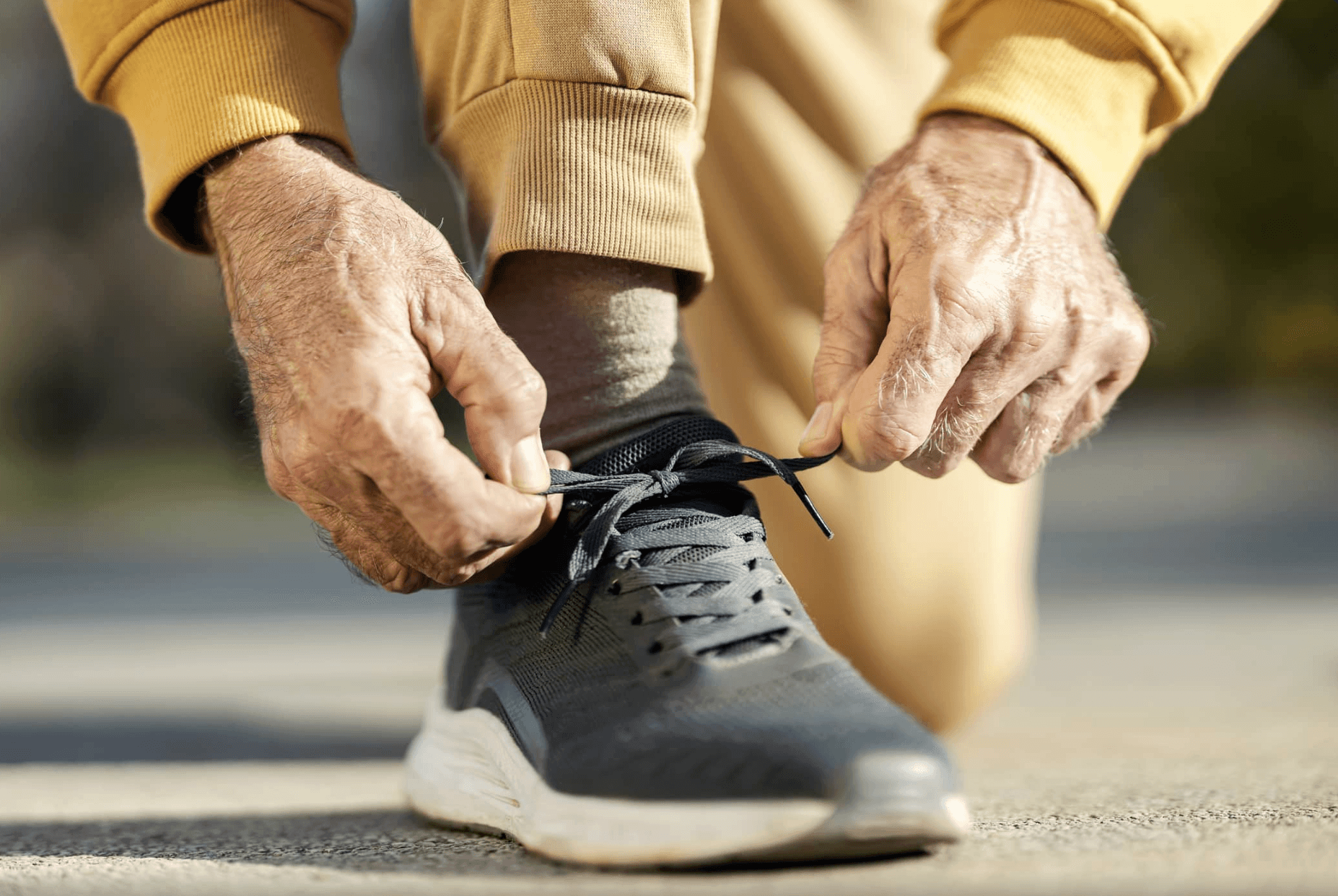
Picture a shoelace. At each end is a small plastic tip — an aglet — that keeps the lace from unraveling. Your chromosomes have the same architecture. At the end of every chromosome in every cell of your body sits a protective cap of repetitive DNA sequences called a telomere.
Every time a cell divides, those caps get slightly shorter. This is normal — it’s how biology works. But the rate at which your telomeres shorten is not fixed. It is profoundly influenced by how you live, what you’re exposed to, and critically, how much unresolved stress your body is carrying day after day.
When telomeres get too short, the cell stops dividing properly and enters what scientists call senescence — a kind of cellular zombie state. Senescent cells don’t just stop working; they actively secrete inflammatory molecules that damage neighboring tissue and contribute to the cascade of conditions we associate with aging: cardiovascular disease, neurodegeneration, metabolic dysfunction, cancer.
"Shortened telomeres trigger cellular senescence — a state where cells stop proliferating and instead secrete molecules that drive age-related disease."
The enzyme that counteracts this process is called telomerase. Think of it as the repair crew — its job is to maintain and restore telomere length, keeping cells functioning longer. The goal of most longevity research in this space is simple: how do we keep telomerase active, and how do we slow the rate of shortening?
The answers keep pointing to the same upstream driver: stress.
Cortisol Is Literally Aging Your Cells
This is not metaphor. This is measurable biology.
Research tracking adults aged 54 to 76 found that high cortisol stress responders had shorter telomeres and experienced significantly faster telomere loss over a three-year follow-up period — even after controlling for age, sex, and cardiovascular risk factors. The difference was equivalent to approximately two years of additional cellular aging.
Two years. From stress alone.
It goes deeper. In vitro studies exposing human T cells to stress-level concentrations of cortisol showed decreased telomerase activity — meaning cortisol appears to directly suppress the enzyme your body depends on to repair telomere length. Chronic stress doesn’t just wear you down emotionally. It disrupts the biological machinery your cells use to stay young.
By the numbers: Research found high cortisol stress responders aged approximately 2 additional years at the cellular level over just 3 years. A single massage session has been shown to lower cortisol by 31%. The Danish Twin Study established that 80% of longevity is shaped by lifestyle — not genetics. |
Add to this the inflammation connection. Elevated cytokines — particularly TNF-alpha and IL-6, the markers of chronic low-grade inflammation — are direct contributors to telomere attrition. Stress-driven inflammation accelerates the very process of cellular aging it’s associated with, creating a feedback loop that’s difficult to exit without deliberate intervention.
Where Massage Enters the Biology
In 2004, a landmark study showed that massage therapy reduces cortisol by an average of 31% — while simultaneously increasing serotonin by 28% and dopamine by 31%. Those aren’t spa statistics. They are published clinical findings that describe a measurable shift in the body’s hormonal environment.
When you translate that into the telomere conversation, the biological chain is direct:
1. Chronic stress elevates cortisol
Sustained cortisol suppresses telomerase — the enzyme that repairs telomere length.
2. Cortisol suppression accelerates telomere shortening
Shorter telomeres push cells into senescence, triggering inflammatory cascades.
3. Massage drops cortisol by 31% per session
Activates the parasympathetic system; reduces inflammatory cytokines TNF-alpha and IL-6.
4. Lower cortisol preserves telomerase activity
Creating biological conditions associated with slower cellular aging.
The direct randomized controlled trial proving massage lengthens telomeres doesn’t exist yet — and honest practitioners say so. But the biological mechanism is well-supported and the pathway is clear. Emerging longevity research published in the Proceedings of the National Academy of Sciences has specifically highlighted the link between stress reduction and slower telomere shortening, placing stress-reduction practices like massage in a clinically meaningful conversation about aging at the cellular level.
The honest framing: Massage reduces the primary biological drivers of cellular aging — elevated cortisol, systemic inflammation, and suppressed telomerase activity. That is the mechanism. That is what we mean when we call this longevity work. Not marketing. Biology. |
What This Means for Older Clients Especially
For clients in their 60s, 70s, and beyond, the stakes of this conversation become very practical. Telomere research shows that the consequences of cellular aging aren’t abstract — they show up as reduced joint mobility, increased fall risk, cognitive slowing, and chronic pain that narrows what daily life can look like.
Regular massage addresses each of these on its own terms: it improves proprioception and postural stability (reducing fall risk, one of the leading causes of injury-related death in adults over 65), alleviates chronic pain that limits movement and independence, and activates the parasympathetic nervous system in ways that reduce the very inflammatory markers driving cellular aging.
Some research also suggests that increased cerebral blood flow following massage may support cognitive clarity — which aligns with what we understand about inflammation’s role in neurodegeneration.
The goal isn’t longevity in the abstract. It’s the ability to still get up off the floor at 80. To carry groceries. To be present and functional for the people and experiences that matter. That’s what slowing cellular aging actually buys you.
This Is What Longevity Work Actually Looks Like
The wellness industry loves the word longevity. It gets attached to cold plunges, peptide stacks, continuous glucose monitors, and $400 supplements. Some of those things have merit. But the research on what genuinely slows cellular aging keeps returning to the same unglamorous fundamentals: lower cortisol, reduce inflammation, activate the rest-and-repair state of the nervous system. Consistently. Over time.
Massage does all three — in a single session, measurably, using a mechanism that has been documented in peer-reviewed research for decades. When you frame it that way — not as a luxury, not as stress relief in the spa sense, but as a direct intervention in the biology of aging — you are telling the truth. The science supports you.
Your clients aren’t just getting a massage. They’re giving their cells a fighting chance.
SOURCES / RESEARCH REFERENCES
Field T et al. Cortisol decreases and serotonin and dopamine increase following massage therapy. Int J Neurosci. 2005.
Epel ES et al. Accelerated telomere shortening in response to life stress. Proceedings of the National Academy of Sciences. 2004.
Danish Twin Study on genetic vs. lifestyle determinants of longevity (cited in Buettner, Blue Zones research).
Buettner D / AARP Blue Zones Vitality Project, Albert Lea, MN, 2009.
NCBI review on telomerase, cortisol, and cellular senescence pathways.
There’s a small Minnesota town called Albert Lea — population 18,000, statistically average in almost every way — that became the unlikely center of a longevity experiment in 2009. Researcher Dan Buettner and a team from AARP moved in, restructured the environment to reduce chronic stress, increase movement, and strengthen social connection. In nine months, residents collectively lost 12,000 pounds, added an estimated three years to their average life expectancy, and dropped city worker healthcare costs by nearly 40%. Harvard’s Dr. Walter Willett called the results “stunning.”
The lesson wasn’t about a miracle supplement or a cutting-edge protocol. It was about something far more fundamental: when you consistently lower the biological burden of chronic stress on the human body, the body responds. Powerfully. And now we understand exactly why — right down to the molecular level.
It starts with something called a telomere.
The Shoelace Tip Inside Every Cell
Picture a shoelace. At each end is a small plastic tip — an aglet — that keeps the lace from unraveling. Your chromosomes have the same architecture. At the end of every chromosome in every cell of your body sits a protective cap of repetitive DNA sequences called a telomere.
Every time a cell divides, those caps get slightly shorter. This is normal — it’s how biology works. But the rate at which your telomeres shorten is not fixed. It is profoundly influenced by how you live, what you’re exposed to, and critically, how much unresolved stress your body is carrying day after day.
When telomeres get too short, the cell stops dividing properly and enters what scientists call senescence — a kind of cellular zombie state. Senescent cells don’t just stop working; they actively secrete inflammatory molecules that damage neighboring tissue and contribute to the cascade of conditions we associate with aging: cardiovascular disease, neurodegeneration, metabolic dysfunction, cancer.
"Shortened telomeres trigger cellular senescence — a state where cells stop proliferating and instead secrete molecules that drive age-related disease."
The enzyme that counteracts this process is called telomerase. Think of it as the repair crew — its job is to maintain and restore telomere length, keeping cells functioning longer. The goal of most longevity research in this space is simple: how do we keep telomerase active, and how do we slow the rate of shortening?
The answers keep pointing to the same upstream driver: stress.
Cortisol Is Literally Aging Your Cells
This is not metaphor. This is measurable biology.
Research tracking adults aged 54 to 76 found that high cortisol stress responders had shorter telomeres and experienced significantly faster telomere loss over a three-year follow-up period — even after controlling for age, sex, and cardiovascular risk factors. The difference was equivalent to approximately two years of additional cellular aging.
Two years. From stress alone.
It goes deeper. In vitro studies exposing human T cells to stress-level concentrations of cortisol showed decreased telomerase activity — meaning cortisol appears to directly suppress the enzyme your body depends on to repair telomere length. Chronic stress doesn’t just wear you down emotionally. It disrupts the biological machinery your cells use to stay young.
By the numbers: Research found high cortisol stress responders aged approximately 2 additional years at the cellular level over just 3 years. A single massage session has been shown to lower cortisol by 31%. The Danish Twin Study established that 80% of longevity is shaped by lifestyle — not genetics. |
Add to this the inflammation connection. Elevated cytokines — particularly TNF-alpha and IL-6, the markers of chronic low-grade inflammation — are direct contributors to telomere attrition. Stress-driven inflammation accelerates the very process of cellular aging it’s associated with, creating a feedback loop that’s difficult to exit without deliberate intervention.
Where Massage Enters the Biology
In 2004, a landmark study showed that massage therapy reduces cortisol by an average of 31% — while simultaneously increasing serotonin by 28% and dopamine by 31%. Those aren’t spa statistics. They are published clinical findings that describe a measurable shift in the body’s hormonal environment.
When you translate that into the telomere conversation, the biological chain is direct:
1. Chronic stress elevates cortisol
Sustained cortisol suppresses telomerase — the enzyme that repairs telomere length.
2. Cortisol suppression accelerates telomere shortening
Shorter telomeres push cells into senescence, triggering inflammatory cascades.
3. Massage drops cortisol by 31% per session
Activates the parasympathetic system; reduces inflammatory cytokines TNF-alpha and IL-6.
4. Lower cortisol preserves telomerase activity
Creating biological conditions associated with slower cellular aging.
The direct randomized controlled trial proving massage lengthens telomeres doesn’t exist yet — and honest practitioners say so. But the biological mechanism is well-supported and the pathway is clear. Emerging longevity research published in the Proceedings of the National Academy of Sciences has specifically highlighted the link between stress reduction and slower telomere shortening, placing stress-reduction practices like massage in a clinically meaningful conversation about aging at the cellular level.
The honest framing: Massage reduces the primary biological drivers of cellular aging — elevated cortisol, systemic inflammation, and suppressed telomerase activity. That is the mechanism. That is what we mean when we call this longevity work. Not marketing. Biology. |
What This Means for Older Clients Especially
For clients in their 60s, 70s, and beyond, the stakes of this conversation become very practical. Telomere research shows that the consequences of cellular aging aren’t abstract — they show up as reduced joint mobility, increased fall risk, cognitive slowing, and chronic pain that narrows what daily life can look like.
Regular massage addresses each of these on its own terms: it improves proprioception and postural stability (reducing fall risk, one of the leading causes of injury-related death in adults over 65), alleviates chronic pain that limits movement and independence, and activates the parasympathetic nervous system in ways that reduce the very inflammatory markers driving cellular aging.
Some research also suggests that increased cerebral blood flow following massage may support cognitive clarity — which aligns with what we understand about inflammation’s role in neurodegeneration.
The goal isn’t longevity in the abstract. It’s the ability to still get up off the floor at 80. To carry groceries. To be present and functional for the people and experiences that matter. That’s what slowing cellular aging actually buys you.
This Is What Longevity Work Actually Looks Like
The wellness industry loves the word longevity. It gets attached to cold plunges, peptide stacks, continuous glucose monitors, and $400 supplements. Some of those things have merit. But the research on what genuinely slows cellular aging keeps returning to the same unglamorous fundamentals: lower cortisol, reduce inflammation, activate the rest-and-repair state of the nervous system. Consistently. Over time.
Massage does all three — in a single session, measurably, using a mechanism that has been documented in peer-reviewed research for decades. When you frame it that way — not as a luxury, not as stress relief in the spa sense, but as a direct intervention in the biology of aging — you are telling the truth. The science supports you.
Your clients aren’t just getting a massage. They’re giving their cells a fighting chance.
SOURCES / RESEARCH REFERENCES
Field T et al. Cortisol decreases and serotonin and dopamine increase following massage therapy. Int J Neurosci. 2005.
Epel ES et al. Accelerated telomere shortening in response to life stress. Proceedings of the National Academy of Sciences. 2004.
Danish Twin Study on genetic vs. lifestyle determinants of longevity (cited in Buettner, Blue Zones research).
Buettner D / AARP Blue Zones Vitality Project, Albert Lea, MN, 2009.
NCBI review on telomerase, cortisol, and cellular senescence pathways.